Home / Articles / Noises at night
IdentificationRodent Noises at Night: What You Are Hearing
Light, fast scratching in walls at night is usually mice. Heavier thumps and gnawing at floor level often mean rats. Noise in the attic in early morning points to squirrels. Location and timing narrow it down.
Updated November 4, 2026
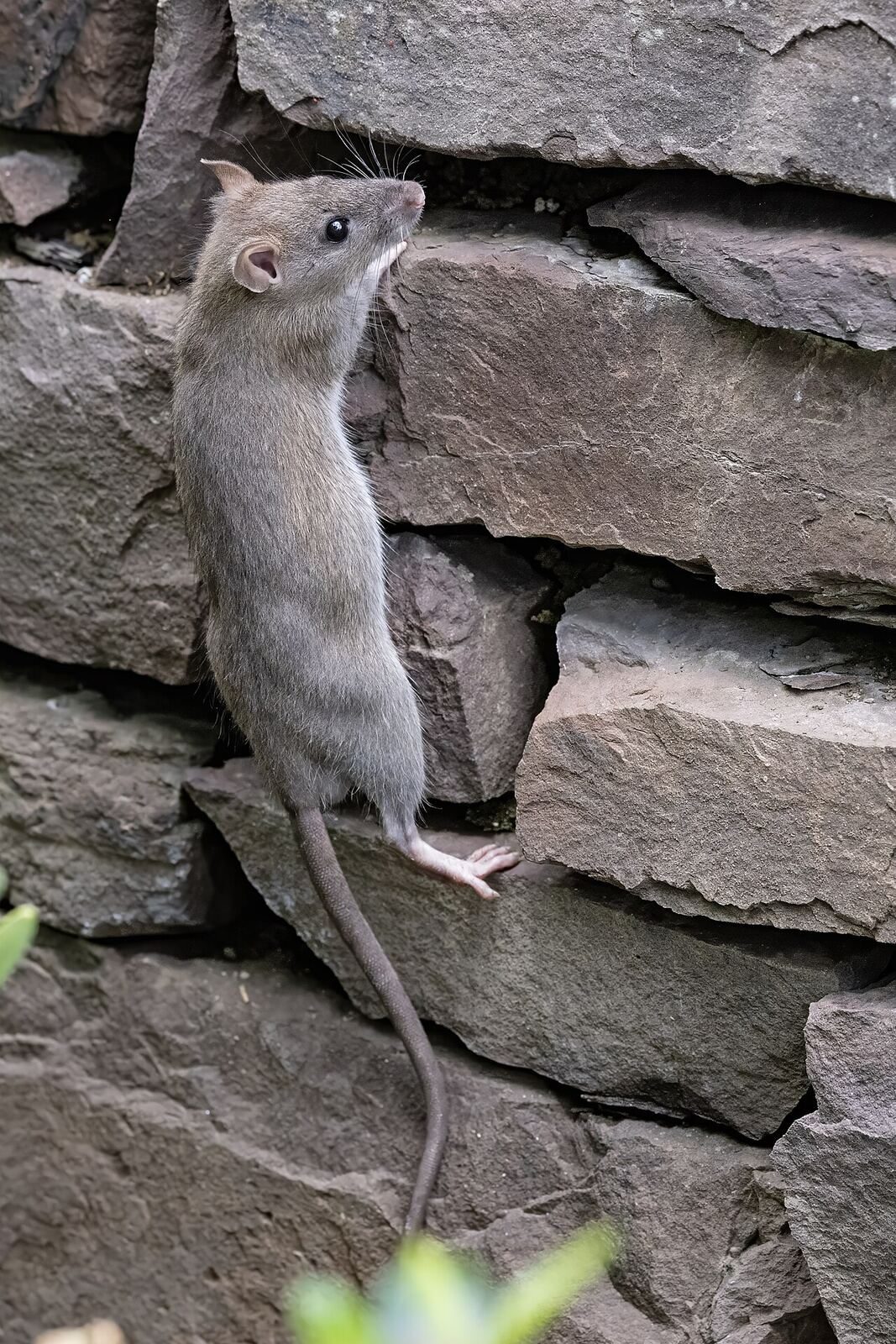
Most rodent problems are heard before they are seen. Rats and mice are mostly active at night, and a quiet house makes every scratch obvious. The sound itself, where it comes from and what time it happens all help you figure out what is in the house.
Quick guide: light, quick scratching or skittering inside a wall is usually mice. Heavier movement, thumping or loud gnawing near floor level or under the house often means Norway rats. Running and rolling sounds in the attic at dawn and dusk usually mean squirrels. Ticks and pops that follow the furnace or water heater are usually pipes and ducts.
Mice: light and quick
Mice weigh very little, so their sounds are light: skittering, scratching and soft chewing. You may hear them running inside a wall, in the ceiling above a kitchen, or behind the dishwasher. The noise often starts after the house quiets down and may continue on and off through the night.
Mouse noise in Richmond homes often clusters near kitchens and bathrooms, where pipes come up from the crawl space and give mice a route into the walls. If you hear it, check the cabinet under the sink and behind the stove for droppings. Our mice in walls article covers what to do next.
Rats: heavier, lower, louder
Norway rats are much bigger, and the sound shows it: thumping, dragging and louder gnawing on wood or pipes. University of Nebraska extension lists adult Norway rats at 7 to 12 inches of body length and up to about a pound. Because Norway rats live at ground level and burrow, their noise is usually low: under the floor, in the crawl space, in the basement or low in the walls.
If you hear heavy movement under the floor and find large droppings or burrows outside, see how to get rid of rats in Richmond.
Want a provider to look at it?
Describe what you are seeing and where. The call is free and goes to an independent rodent control provider who serves Richmond and the nearby counties.
Squirrels and other daytime noise
Squirrels are active during the day, especially early morning and late afternoon. Running, rolling (sometimes literally nuts) and scratching in the attic at those hours points to squirrels, not rats. They get in through gaps at the roofline, often where tree limbs touch the house, which is common under the big trees in Bon Air, Forest Hill and Northside.
Squirrels, raccoons and bats need a wildlife company, not a rodent control provider. If you are not sure, ask for an inspection before anyone sets traps.
Noises that are not animals
- Ticking or popping as the heat or AC cycles: ducts and pipes expanding and contracting.
- Knocking when water runs: plumbing.
- Creaks on cold nights: framing and floors settling.
- Buzzing or clicking in a wall: possibly electrical, which deserves an electrician's attention, especially if you also suspect rodents have chewed wiring.
Animal noise moves and pauses. Mechanical noise tends to repeat with the system that causes it.
How to narrow it down
- Keep a short log: time, room, wall or ceiling, and type of sound.
- Look for droppings in cabinets, along baseboards, in the attic and in the crawl space near the noise.
- Check outside: burrows along the foundation point to rats; chewed holes at the roofline point to squirrels.
- Sprinkle a thin layer of flour on a hard floor near a suspected exit and check for tracks in the morning. Tracks in the flour show which way the animal travels.
- Ask a technician. A rodent inspection uses droppings, gnaw marks and entry holes to confirm the animal.
How the seasons change what you hear
In Richmond, the first cool nights of fall bring a wave of mouse noise as mice move from yards, fields and wooded edges into walls, attics and crawl spaces. Homeowners in the suburbs often notice it first in the garage ceiling or the wall between the garage and the kitchen. In winter, the sounds tend to settle near warm spots: around the furnace, water heater and kitchen appliances.
Summer is different. Attics get hot, so rodents in the attic move to cooler walls and crawl spaces. Heavy summer storms can flood burrows and push Norway rats toward foundations and basements for a few days, which is when people near the river or in low spots hear thumping under the floor for the first time. Our seasonal article covers what to do in each season.
When to act
Act right away if you hear rodents near electrical panels or wiring, hear them in a child's room, or smell something dead. Chewed wiring can be a fire risk, and a dead rodent in a wall gets worse in warm weather. Otherwise, start with traps where you find droppings and a look at the crawl space or attic. If the noise continues after a week or two, call for help. See emergency rodent removal for urgent situations.
Call a local rodent provider
The call is free. Describe the problem, ask what the visit includes, and get a written price before any work starts.
Questions people ask
Why do I only hear mice at night?
Mice and rats are mostly active at night, and the house is quieter then, so the sounds stand out.
Is scratching in the ceiling rats or squirrels?
Daytime noise, especially early morning and late afternoon, points to squirrels. Night noise points to rodents. Droppings settle it.
Can I hear mice chewing?
Sometimes. Mouse chewing is soft. Loud gnawing on wood or pipes is more likely a rat.
What if the noise stops suddenly?
The animal may have left, been caught or died. A smell a few days later suggests a dead rodent.