What burrow treatment is
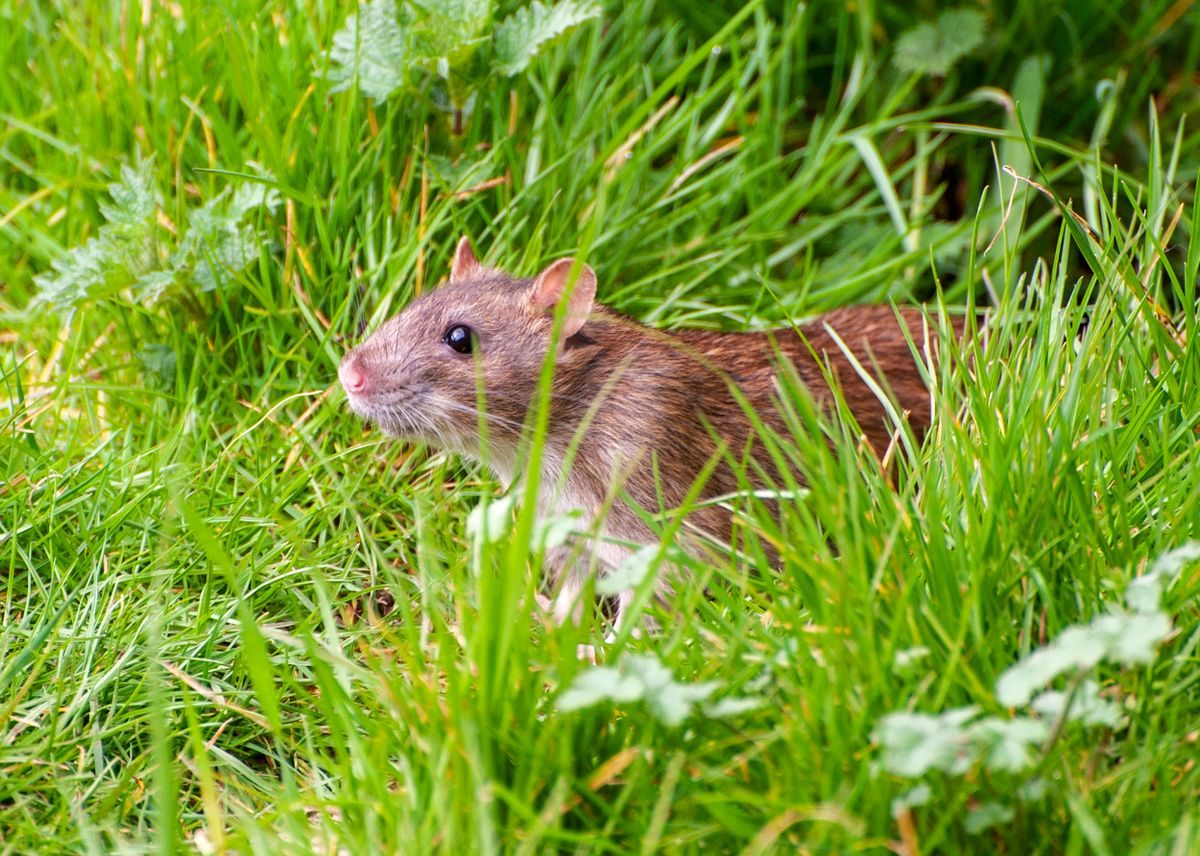
Norway rats live in the ground. They dig burrow systems under sheds, decks, concrete slabs, woodpiles, compost bins, dense shrubs and along fence lines and foundations. A burrow entrance is usually 2 to 3 inches across, with smooth, packed edges from constant use and sometimes a fan of loose dirt in front. Active burrows often have a worn path leading to a food source like a trash can, compost or a bird feeder.
Burrow treatment means finding the active burrows, reducing the colony that lives in them and then collapsing or blocking the burrows so they are not reused. Depending on the site, a technician may set rat traps at burrow openings inside protective covers, place tamper-resistant bait stations along runways, or use other methods allowed by the product label and Virginia rules. Once activity stops, the burrows are filled and packed, and sometimes covered with hardware cloth or gravel in areas where rats keep digging.
This is outdoor work, but it matters inside too. A colony in the yard is the source of rats that test the foundation and crawl space every night.
What a thorough job includes
- A yard and alley-edge walk to find burrows, runways, droppings and feeding sites
- A simple test to tell active burrows from old ones, such as loosely plugging openings and checking the next day
- Traps or locked bait stations placed at runways and burrow entrances, out of reach of pets and kids
- Burrow collapse and packing once activity stops
- Hardware cloth or gravel barriers where rats keep reopening the same spots
- Advice on removing food and shelter: compost, bird seed, pet food, woodpiles and overgrown plants
- A check of the foundation and crawl space vents closest to the burrows
Need rat burrow treatment in Richmond?
Describe what you are seeing and where. The call is free and goes to an independent rodent control provider who serves Richmond and the nearby counties.
How burrow treatment usually goes
Map the burrows
Each opening is marked. Burrow systems often have several entrances and a bolt hole.
Check which are active
The technician loosely plugs openings with soil or paper and checks which ones are reopened within a day.
Reduce the colony
Traps or locked stations go on active runways. Food sources are removed at the same time so rats take the bait or trap lure.
Collapse and close
Once openings stop reopening, burrows are packed with soil and tamped. Persistent spots may get gravel or hardware cloth.
Recheck
A return visit confirms no new holes. New burrows mean rats are coming from next door or the alley.
Burrows in Richmond yards and alleys
In the city, burrows cluster where yards meet alleys. Back fences, gravel parking pads, old garages and trash can corrals in the Fan, the Museum District, Church Hill and Northside give rats cover with food a few feet away. Because alley lots touch, one yard's colony can be a neighbor's colony too. Richmond's property maintenance rules ask owners to keep their area clean to the center of the alley and to keep grass and weeds under 12 inches, and neighbors can report overgrown or trash-filled lots through RVA311.
In the suburbs, burrows show up under decks, along wooded lot edges, beside retention ponds and under garden timbers. Clay soils common in the Richmond area hold burrow shape well, so old burrows get reused unless they are collapsed and packed. Heavy rain can flood burrows and push rats toward houses for a few days, which is often when homeowners first notice them.
Rat Burrow Treatment questions
How do I know if a hole is a rat burrow?
Rat burrow entrances are usually 2 to 3 inches across with smooth, packed edges and a worn path nearby. Chipmunk holes are smaller and neater with no dirt pile. Vole holes are smaller still.
Can I just fill the holes?
Filling burrows without removing the rats usually means they dig back out, sometimes toward your foundation. Reduce the colony first, then fill and pack.
Is it safe to put poison in a burrow?
Only products labeled for burrow use and applied the way the label says. Virginia law makes it unlawful to use a pesticide inconsistent with its labeling. Ask the technician what they plan to use.
Why are there rat holes under my shed?
Sheds give rats a dry roof over their burrow and often store seed, feed or trash. Raising the shed, adding a hardware cloth skirt and clearing storage helps.
Do I need to treat my neighbor's yard too?
Often the colony spans more than one lot. Talk with neighbors, and if the source is a neglected property, a report through RVA311 can trigger a code inspection.
Does compost attract rats?
Open compost with food scraps does. The CDC suggests keeping compost bins at least 100 feet from the house where possible, and closed bins help.
How long does burrow treatment take?
Often a few weeks from first visit to packed burrows, longer if rats keep arriving from neighboring lots or the alley. Ask how many visits the price includes.
Get a local provider on the phone
Tell them what you found and where. Ask what the visit includes and whether sealing is part of the price.