Home / Articles / Seasonal rodent problems
SeasonalSeasonal Rodent Problems in Richmond
Mice push indoors when Richmond nights cool in the fall, nest near warmth in winter, and breed through spring. Summer heat and storms move rats around. Sealing in late summer beats trapping in winter.
Updated November 4, 2026
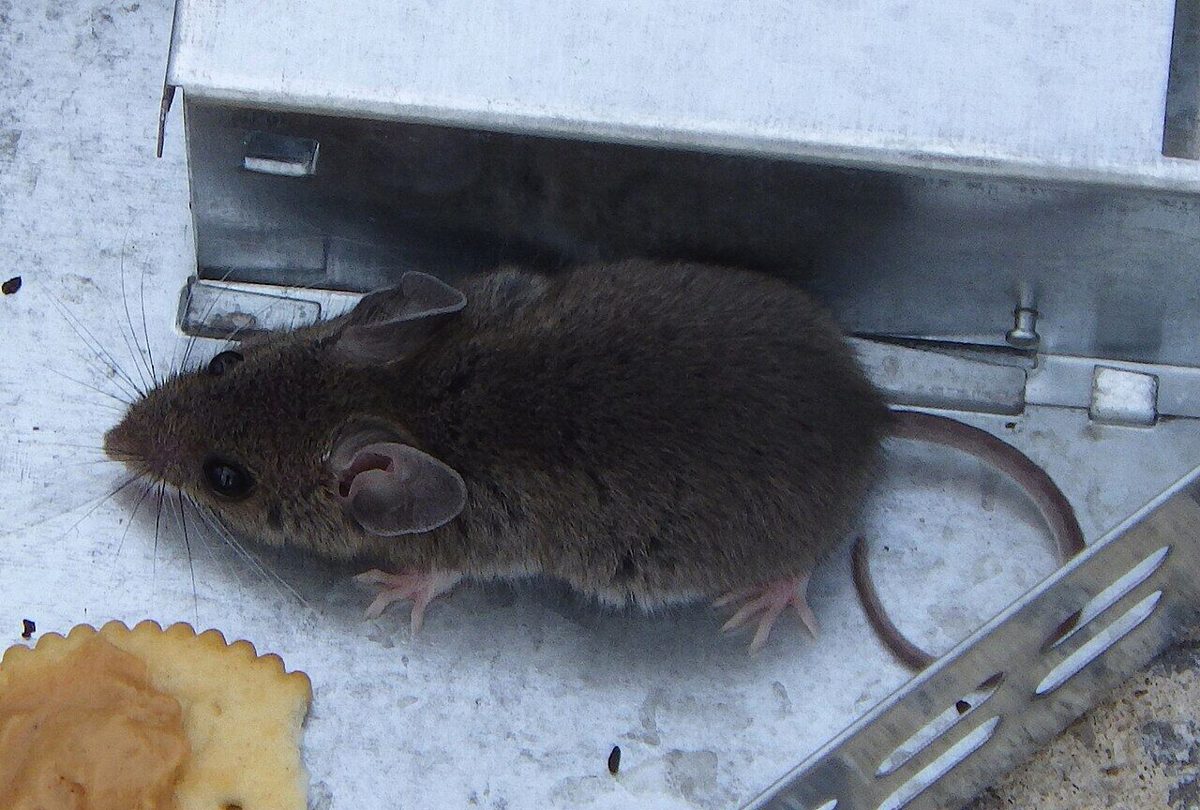
Rodent problems in Richmond follow the calendar. Mice push into houses when nights turn cool in the fall and nest near warm spots through winter. Rats breed heavily in spring and fall, and summer storms and heat push them around. Knowing the pattern helps you get ahead of it: the best time to seal a house against fall mice is late summer, and the best time to deal with yard rats is as soon as you see the first burrow.
Here is what to expect in each season around Richmond and what to do about it.
Fall: the mouse push
Fall is the busiest season for mouse calls in the Richmond area. As nights cool, mice that spent the summer in yards, fields and wooded edges look for warm shelter. Crops and fields in Hanover and eastern Henrico are harvested and mowed, and leaf drop in the wooded suburbs of Chesterfield and western Henrico removes cover. Garages, crawl spaces and attics are the first stops.
What to do:
- Seal in late summer, before the first cool nights. Check garage door corners, crawl space vents, AC line and dryer vent openings and weep holes.
- Store bird seed, grass seed and pet food in sealed containers.
- Set a few traps in the garage and kitchen when you first see droppings.
University of Nebraska extension notes rat mating occurs mainly in spring and fall, so fall can also bring more young rats.
Winter: nesting near warmth
Richmond winters are mild compared to the Northeast, and rodents stay active. Indoors, mice nest near warm spots: behind refrigerators, near furnaces and water heaters, in insulation above heated rooms and inside walls near the kitchen. They breed indoors through the winter, so a few mice in October can become many by February.
What to do:
- Trap where you find droppings, and keep trapping until nothing is caught for a week.
- Seal the interior gaps around pipes and appliances once catches slow down.
- Check attics and crawl spaces for nests in insulation.
- Do not wait for spring; the problem grows over winter.
Want a provider to look at it?
Describe what you are seeing and where. The call is free and goes to an independent rodent control provider who serves Richmond and the nearby counties.
Spring: breeding and burrows
Spring brings rat breeding and new burrows. UNL extension says females can have 6 to 12 young per litter and 4 to 6 litters a year, with young maturing in about 90 days. New burrows appear along fences, sheds and foundations. Yard work also uncovers winter nests in woodpiles, sheds and stored items.
What to do:
- Walk the yard and alley edge for fresh burrows and deal with them early.
- Clean out sheds and garages using the CDC's wet cleanup method. Air out closed sheds before you start.
- Move woodpiles away from the house and off the ground.
- Fix crawl space vents and foundation gaps you found over winter.
Summer: heat, storms and food
Richmond summers are hot and humid. Attics get very hot, so rodents in attics often move to cooler walls, crawl spaces and basements. Gardens, fruit trees, bird feeders and cookouts add food outside. Heavy thunderstorms and tropical systems can flood burrows and storm drains, pushing Norway rats toward higher ground and into buildings. Shockoe Bottom flooded along Shockoe Creek during Tropical Storm Gaston in 2004, and low areas near the James and its creeks still see standing water after big storms.
What to do:
- Pick up fallen fruit and keep compost closed.
- Keep supercan lids closed in the heat, and bring cans in by 7 a.m. the day after pickup as city rules require.
- After a big storm, check basements, floor drains and crawl spaces for signs of rats.
- Use the end of summer to seal before the fall push.
- Avoid wading in floodwater; the CDC notes leptospirosis can spread through water contaminated with animal urine after floods or heavy rain.
Holidays and houseguests
Late fall and winter holidays bring extra food into Richmond homes: pantry stock for cooking, boxes of treats, bags of birdseed given as gifts, and decorations pulled out of the attic or garage. Mice nest in stored decoration boxes and chew through packaged food left on counters. Unpack attic boxes outdoors or in the garage and look for droppings and shredded material before bringing them inside, store holiday food in sealed containers, and put decorations back in plastic bins with tight lids.
Year-round habits that help
- Keep food sealed and trash cans closed.
- Check the foundation, vents and garage door a few times a year.
- Trim limbs and shrubs away from the house.
- Clean up droppings safely and check for new ones.
- Call for help when you hear rodents in walls or ceilings, find droppings in several rooms or see burrows by the foundation.
If you want a provider to look at your house before the fall push, ask for an inspection and exclusion quote in August or early September.
Call a local rodent provider
The call is free. Describe the problem, ask what the visit includes, and get a written price before any work starts.
Questions people ask
When is mouse season in Richmond?
Calls rise when nights cool in the fall and stay steady through winter, since mice breed indoors once they are in.
When should I seal my house against mice?
Late summer, before the first cool nights of fall, is the best time.
Do rats go away in winter?
No. Norway rats stay active in Richmond's mild winters, living in burrows, crawl spaces and basements.
Why do I see more rats after storms?
Heavy rain floods burrows and storm drains, pushing rats toward higher, drier places like basements and crawl spaces.