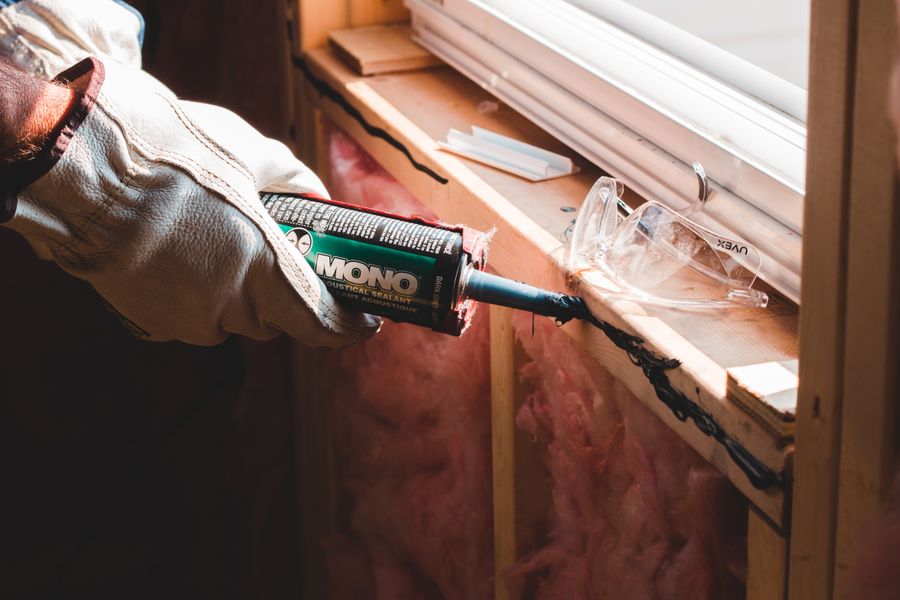
Exclusion is the difference between a temporary fix and a lasting one. Trapping clears the rodents inside now; exclusion seals the openings they used so the next group cannot get in. On a Richmond home, where Norway rats enter low along the foundation and sewer lines and house mice slip in through countless small gaps, it is the most valuable part of the whole job, and the part most DIY efforts skip. Call 804-630-2216 and a local technician seals the house properly.
The principle is simple: find every entry point and close it with materials rodents cannot gnaw or push through. The execution is detail work, because a house has more small openings than most people imagine, from a settled gap in an old brick foundation to a broken sewer lateral, and a mouse needs only a quarter inch.
What gets sealed on a Richmond home
Exclusion follows the inspection, closing the specific openings found on your property. On the older housing stock around Richmond, with its brick foundations, shared walls, and aging sewer lines, the usual targets are:
- Foundation gaps. Cracks and settled openings in brick and masonry foundations where Norway rats push or gnaw through.
- Sewer and utility penetrations. Gaps around laterals, floor drains, water, gas, electrical, and cable lines sealed with rodent-proof material.
- Row-house sills and shared walls. The settled gaps at the sill and along shared walls in the Fan, Church Hill, and the Museum District.
- Under-sink and interior gaps. The pipe and wiring holes inside cabinets that mice use as a highway.
- Doors, garages, and weep holes. Worn door sweeps, garage-door corners, and open weep holes, a common mouse entry on newer homes.
- Attic and roofline gaps. Sealed where roof rats or mice have reached the attic, with screening on any open vents.
Why materials matter
Rats and mice gnaw, so foam and steel wool alone do not hold. Proper exclusion uses steel mesh, hardware cloth, and rodent-proof sealant, backed so a rat cannot pull it out or chew past it. This is the detail that decides whether the seal lasts years or fails in a few months. A local technician uses materials rated to stand up to gnawing, not just to fill a gap for looks.
Exclusion is home protection
Sealing the house does more than stop rodents. It closes the foundation and utility gaps that let damp and drafts into a Richmond home, and it protects wiring and insulation from the gnawing and nesting that follow an infestation. Paired with trapping and removal, exclusion is what turns a rodent job into a permanent result. If rodents have already fouled a basement or attic, add cleanup and insulation repair.
Why exclusion is the step that pays off
Homeowners who trap without sealing end up calling again, because the entry points are still open, and the alleys and mild winters keep pushing a fresh wave of rats and mice toward the house. Exclusion breaks that cycle. It is an investment in the shell of the house that keeps paying.
It works best right after removal, while the technician already has the entry points mapped from the inspection. Sealing a house that has just been cleared is how you make sure the rodents that are gone stay gone.
Richmond rodent exclusion questions
Can I just seal the house myself?
You can close obvious gaps, but rodents exploit the openings homeowners miss, including settled foundation gaps and broken sewer laterals, and foam or steel wool alone will not stop a gnawing rat. The value in professional exclusion is finding every entry point and sealing it with materials that hold.
My home has an old brick foundation. Can it be sealed?
Yes. Brick and masonry foundations that have settled open are sealed with steel mesh and rodent-proof sealant worked into the gaps. It is detailed work on an older Richmond home, and it holds.
Should I seal before or after trapping?
After removal is ideal, so you are not sealing rodents inside. The usual order is inspect, trap and remove, then seal, though some exterior sealing can happen alongside trapping.
How long does the sealing last?
Properly installed metal-backed sealing lasts for years. The technician who does the work explains their own warranty on the exclusion before starting.