Home / Articles / Get rid of rats
RatsHow to Get Rid of Rats in Richmond, VA
Cut off food first, then trap with rat-sized snap traps along walls and runways, treat burrows, and seal every opening over 1/2 inch with metal or concrete. Most Richmond rats live outside and come in at night.
Updated November 4, 2026
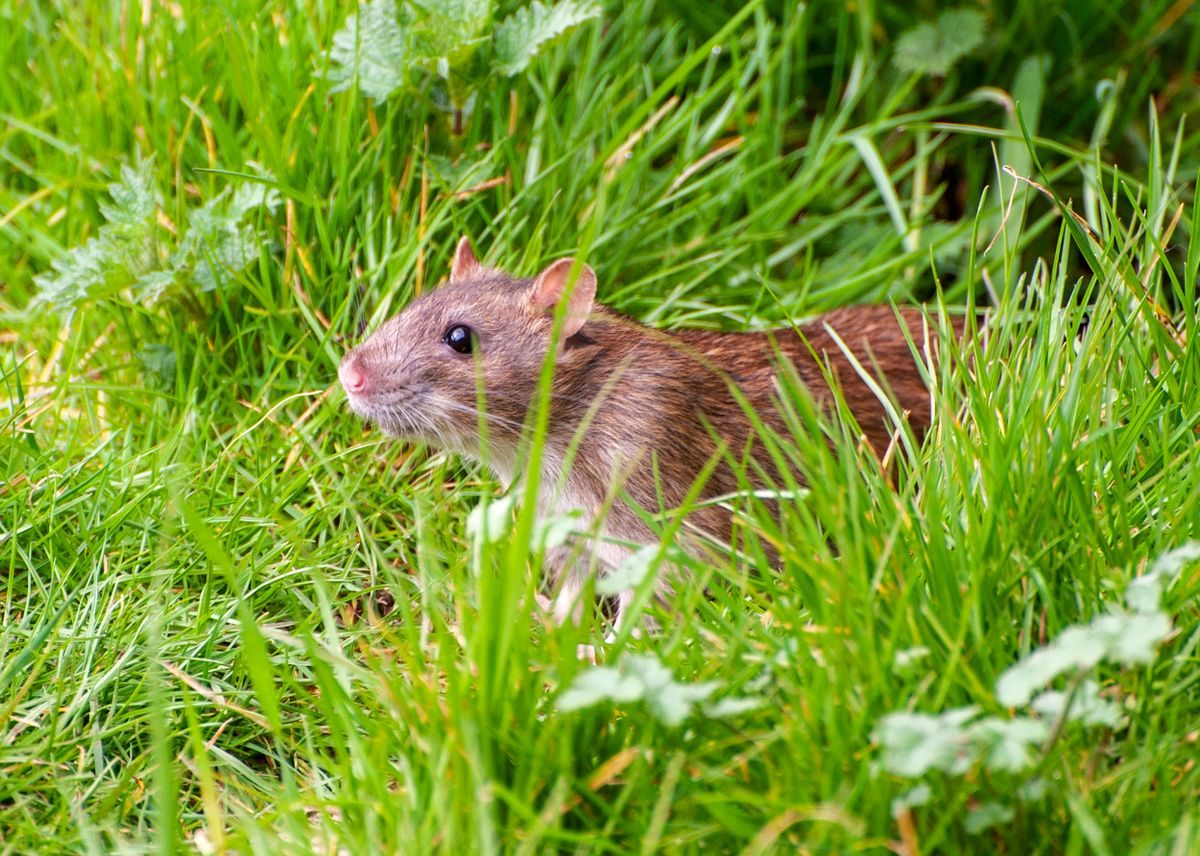
To get rid of rats at a Richmond home, work in this order: take away food, trap the rats that are there, deal with their burrows, then seal the openings they use to get into the house. Rats in the Richmond area are almost always Norway rats, which live in burrows outside and come into crawl spaces, basements and garages at night. Skipping any of those steps is why so many rat problems drag on for months.
This article covers each step with the specifics that work here: alley trash rules, row-house foundations, crawl spaces and suburban garages.
Step 1: Cut off the food
Rats with easy food ignore traps. The Richmond City Health District notes that baiting is effective after the food source is removed, and University of Nebraska extension says rats eat about 10 percent of their body weight a day and need water every day.
Common Richmond food sources:
- Supercans with cracked lids or left out all week. City rules say cans go out no earlier than 4 p.m. the day before collection and come in by 7 a.m. the day after.
- Bird feeders. Spilled seed on the ground is a nightly buffet.
- Compost bins with food scraps, especially open piles.
- Pet food and water left outside.
- Fig, pear and other fruit trees dropping fruit.
- Vegetable gardens and chicken feed.
Fix what you can on your property and talk to neighbors about the rest.
Step 2: Trap the right way for rats
Rats are not mice. They are cautious about new objects, and University of Nebraska extension notes they may wait up to two weeks before interacting with traps. The CDC suggests pre-baiting: bait the traps without setting them so rats get comfortable, then set them once the bait is being taken.
- Use rat-sized snap traps. Mouse traps only injure rats.
- Put traps inside covered boxes or stations to protect pets and kids.
- Place them along walls, fences and runways where you see droppings and rub marks, with the trigger end toward the wall or across the path.
- Use more traps than you think you need.
- Wear gloves to handle traps and dead rats, and follow the CDC's cleanup steps.
The CDC recommends snap traps over glue traps and live traps.
Want a provider to look at it?
Describe what you are seeing and where. The call is free and goes to an independent rodent control provider who serves Richmond and the nearby counties.
Step 3: Deal with burrows
Look for burrow openings about 2 to 3 inches across along fences, foundations, sheds, slabs and under decks. Active burrows have smooth, packed edges and sometimes fresh dirt. To find which are active, loosely plug openings with soil or crumpled paper and check the next day.
Once trapping has reduced the colony, collapse and pack the burrows with soil, and consider gravel or hardware cloth where rats keep digging. Bait in burrows is only legal when the product's label allows it; Virginia law makes it unlawful to use a pesticide in a manner inconsistent with its label. See rat burrow treatment for how professionals handle it.
Step 4: Seal the house
According to University of Nebraska extension, rats can get into a building through any opening larger than 1/2 inch. Openings where utilities enter should be sealed tightly with metal or concrete; wood, plaster and caulk will not stop gnawing.
On Richmond houses, check:
- Crawl space vents and access doors.
- The rear foundation and where additions or porches meet the house.
- Pipe and wire openings in brick and block.
- Garage door corners and bottom seals.
- Basement windows, floor drains and old coal chutes in older city homes.
Our exclusion page covers materials and timing.
Step 5: Get the block involved
In the Fan, Church Hill, the Museum District and Northside, back yards connect through alleys. If one yard is full of trash or overgrowth, rats return no matter what you do. Talk to neighbors about cans, compost and feeders. If a property is neglected or a building is vacant and open, report it through RVA311; the city's property maintenance division handles trash in yards and alleys, grass and weeds 12 inches or taller and unsecured vacant buildings. Our reporting guide has the details.
When to bring in a professional
Call a provider when you find burrows in several places, rats inside the living space, droppings in the crawl space or attic, or activity that continues after two or three weeks of trapping. A provider can use tools homeowners cannot buy, including professional-use rodenticides in locked stations where appropriate, and can seal openings that need masonry or sheet metal. Our rat control page covers what to expect, and our cost guide covers prices.
Call a local rodent provider
The call is free. Describe the problem, ask what the visit includes, and get a written price before any work starts.
Questions people ask
What is the fastest way to get rid of rats?
Remove food sources and set plenty of rat-sized snap traps along runways at the same time. Sealing entry points keeps new rats out once the catches slow down.
Why won't the rats go near my traps?
Rats avoid new objects. Pre-bait traps without setting them for a few days, then set them once the bait is taken.
Should I use rat poison?
Consumer rat poison must come in ready-to-use bait stations under EPA rules, and it can harm pets and wildlife. Rats that eat bait may die in walls. Trapping is safer inside the house.
Can I report my neighbor's rats in Richmond?
You can report property maintenance problems, like trash, overgrowth and open vacant buildings, through RVA311.