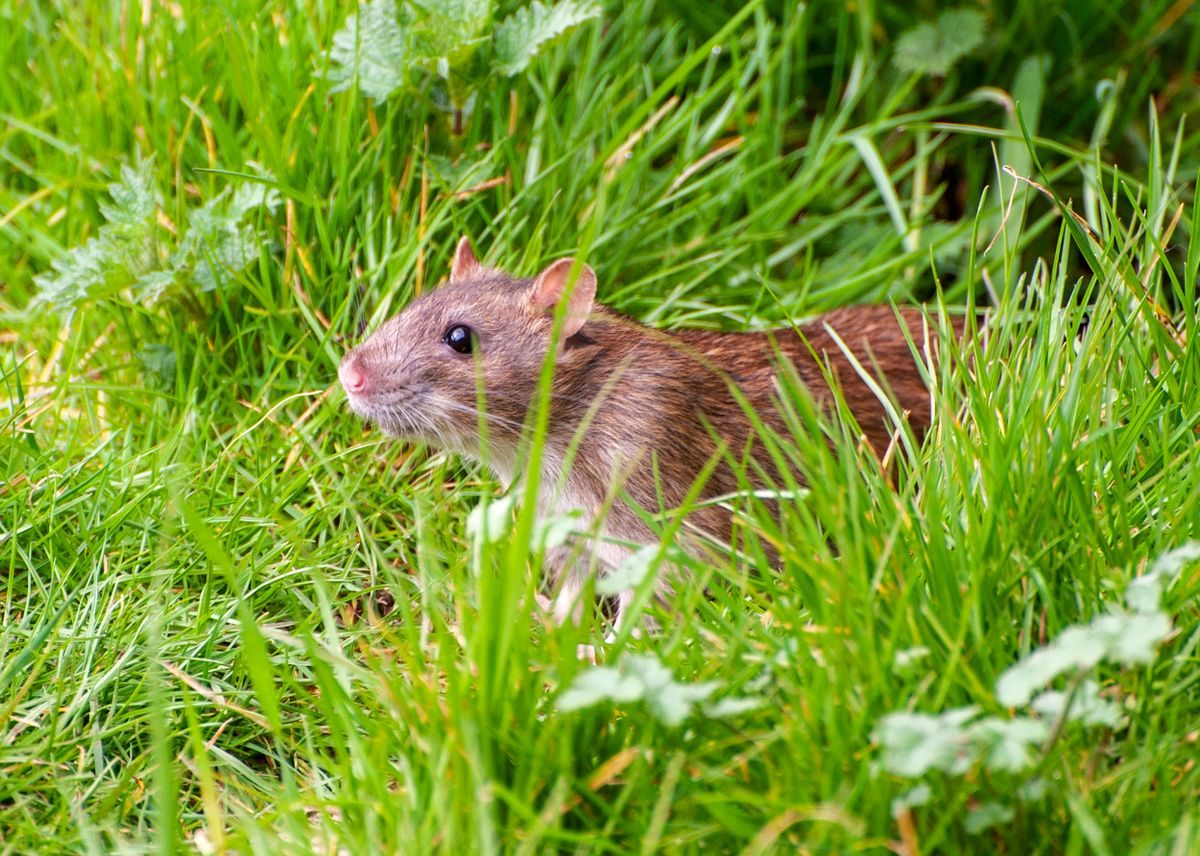
Finding and removing a dead rodent
A dead mouse in a wall can smell for one to several weeks, and a dead rat longer, depending on size, temperature and humidity. In Richmond's summer heat the odor peaks fast. Flies near a wall or vent, a stain on a ceiling and a smell strongest in one spot are the usual clues.
Dead rodent removal means locating the carcass, removing it safely, cleaning and disinfecting the area and treating any lingering odor. Technicians use the strength of the smell, fly activity, warm spots and known rodent runways to narrow the search. Sometimes the carcass is easy to reach in a crawl space or attic. Sometimes it is inside a wall cavity or a duct, and the only way to reach it is a small cut in drywall that you then patch.
If you put out poison recently, that is often the cause. Rodents that eat bait can die anywhere, including inside walls. Tell the technician about any bait used in the home, by you or a previous provider.
Before the visit, note when you first noticed the smell, which rooms it is strongest in and whether it changes with the heat or AC running. Check the obvious places yourself if you can do so safely: behind the refrigerator and stove, under sinks, in the bottom of closets and around floor registers. If you find the carcass, the CDC steps in the questions below cover safe removal. If you cannot find it, or the smell is coming from inside a wall or ceiling, a technician with an inspection camera and experience reading rodent runways will usually find it faster.
What a thorough job includes
- Odor tracing through rooms, walls, the crawl space, attic and ductwork
- Removal of the carcass with gloves, disinfectant and sealed bags, following CDC cleanup steps
- Small access openings in drywall if the carcass cannot be reached another way, with your approval first
- Disinfecting the area and removing soiled insulation or nesting material
- Odor treatment for surfaces that absorbed fluids
- A check for live rodents and entry points, since one dead rodent often means others
Need dead rodent removal in Richmond?
Describe what you are seeing and where. The call is free and goes to an independent rodent control provider who serves Richmond and the nearby counties.
How the job usually goes
Trace the odor
The technician checks where the smell is strongest at floor, wall and ceiling level, and looks for flies or stains.
Check easy spots first
Crawl spaces, attics, behind appliances, under cabinets and inside HVAC returns are checked before opening any wall.
Open only if needed
If the carcass is in a wall, a small opening may be cut with your OK. Ask who patches it.
Remove and disinfect
The carcass is sprayed with disinfectant, double bagged and removed. The area is cleaned.
Stop the next one
Why dead rodents are common in Richmond homes
Crawl spaces are the big reason. A rodent that dies under a Richmond house sends odor up through floor registers and plumbing gaps, and the space is uncomfortable for homeowners to search. Row houses add shared walls, so the smell may come from a void you cannot reach from your side. In those cases the technician may need access through a basement or the neighboring unit.
Heat matters too. Attic temperatures in a Richmond summer climb quickly, which speeds decomposition and makes the smell stronger. In winter, a dead rodent near a furnace or in a duct can spread odor through the whole house once the heat cycles on. If you are renting, report the smell to your landlord in writing; Virginia law requires tenants to promptly notify the landlord of insects or pests.
Dead Rodent Removal questions
How long will a dead mouse smell?
Often one to a few weeks, longer for a rat and in hot weather. Removal stops it faster.
Can I just wait it out?
You can, but the smell may last weeks, flies can follow, and fluids can stain drywall. Removal is usually worth it in living areas.
Will the technician cut into my wall?
Only if there is no other way to reach the carcass, and only with your approval. Ask who repairs the opening.
Why does the smell come and go?
Heat and humidity change how strong it is. Warm afternoons and running the furnace can make it worse.
Is it safe to remove a dead mouse myself?
Yes, if you can reach it. The CDC says to wear gloves, spray the rodent and area with disinfectant, let it soak 5 minutes, double bag it and throw it in a covered trash can.
Does a dead rodent mean the problem is over?
Not necessarily. Where one died, others may be living. A quick check for droppings and fresh gnawing tells you.
Can a dead rodent in a duct spread through the house?
Odor can travel through the duct system every time the air handler runs. If the smell is strongest at registers, ask the technician to check the ducts and the air handler area.
Get a local provider on the phone
Tell them what you found and where. Ask what the visit includes and whether sealing is part of the price.