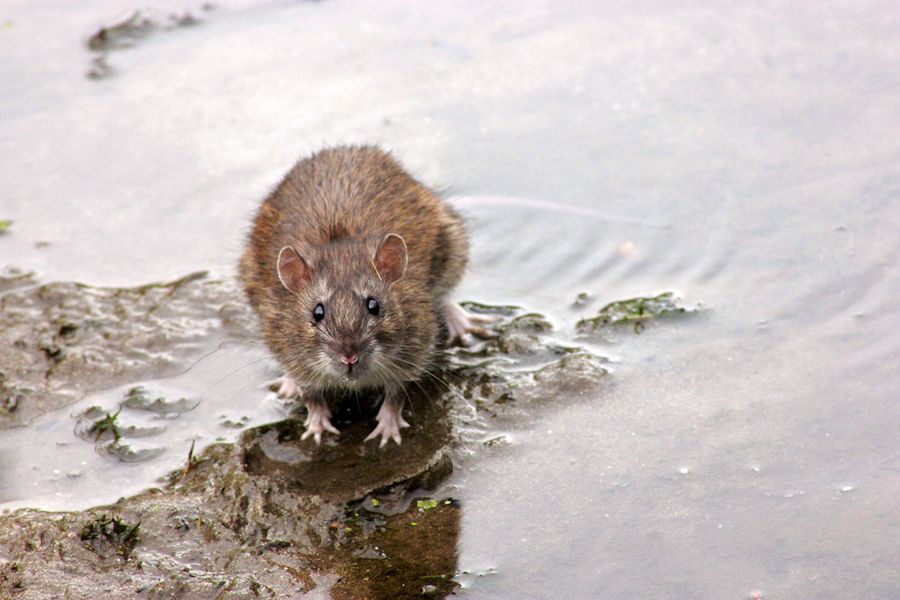
Trapping and removal is the step that clears the rodents already inside. It sounds simple, but placement is everything, and it is where professional trapping separates from a hardware-store attempt. A local technician reads the signs, places the right equipment where the rodents travel, whether that is a foundation or alley runway for Norway rats or a baseboard and cabinet path for house mice, and follows up until the population is gone. Call 804-630-2216 to get started.
Trapping works best as part of the full sequence: inspect, trap and remove, then seal. Removal without sealing clears the current rodents but leaves the door open for more, and in Richmond the alleys and mild winters keep a steady supply of rats and mice looking for a way in. Done together, they end the problem instead of pausing it.
Why placement beats quantity
Scattering traps around a room rarely works. Rodents move along walls and established runways, not across open floors, and rats in particular avoid anything new in their path for days. A local technician places equipment where the animals already travel: along walls, at burrow openings by the foundation, on the alley runways for Norway rats, and at the pinch points between where they nest and where they feed.
The equipment is matched to the rodent and the setting. Norway rats, roof rats, and house mice need different sizing and placement, and a basement or foundation line differs from an occupied kitchen or an attic. Getting that right is why professional trapping clears a population that DIY has been feeding for weeks.
Follow-up is part of the job
One visit rarely finishes it. Trapping is monitored: the technician returns to check and reset equipment, reads whether the activity is dropping, and adjusts placement as the remaining rodents change behavior. The job is done when the signs stop, not when the first few are caught.
This matters most with mice that came indoors in the fall, because a warm Richmond home and a mild winter let them keep breeding. Steady follow-up is what drives the numbers down to zero instead of knocking them back only for them to rebound.
Safe removal and handling
Captured rodents and any droppings are removed and handled safely, with the right precautions for the waste and nests they leave behind. Where contamination is heavy in a basement, crawl space, or attic, pair the removal with cleanup and sanitizing.
Store-bought snap traps have their place, but relying on a handful of them scattered around the kitchen is what keeps most Richmond rodent problems going. The traps sit in the wrong spots, they are not matched to the rodent, and there are never enough of them to outpace a population breeding along a warm foundation or coming up an alley. Professional trapping treats it as a numbers game with a plan: enough equipment, in the right places, checked and reset until the count reaches zero.
Trapping plus sealing is what lasts
Trapping removes the rodents; sealing the entry points keeps the next ones out. On their own, traps are a treadmill: you catch this batch, and the next wave comes through the same open gaps. Together, the two steps close the problem out.
Start with an inspection so the trapping targets the real runways and the sealing hits the real entry points. Accurate information is what makes both steps efficient and keeps the cost down.
Richmond trapping and removal questions
How long until the rodents are gone?
A contained mouse problem can drop off within a week or two. A larger Norway-rat colony along a foundation or sewer line takes longer, with follow-up visits until the signs stop. You get a timeline after the inspection.
Do you use poison or traps?
The approach is matched to the situation, and trapping is often preferred indoors because it avoids a rodent dying and decomposing inside a wall or floor. A local technician explains the options and the trade-offs for your home.
What about a dead rodent smell in the wall?
That points to a rodent that died in a void, often after DIY poison. The technician can help locate and remove the source and treat the odor, then seal so it does not recur.
Is trapping safe with pets and kids?
Equipment is placed out of reach in the areas rodents travel, like basements, wall voids, and behind appliances. The technician sets it up with your household in mind.