Home / Articles / Dead rodent smell
OdorDead Rodent Smell: Finding the Source and Getting Rid of It
A sweet, rotten smell that is strongest in one spot and worse on warm days usually means a dead mouse or rat nearby. Find it, remove it with gloves and disinfectant, then clean and air out the area.
Updated November 4, 2026
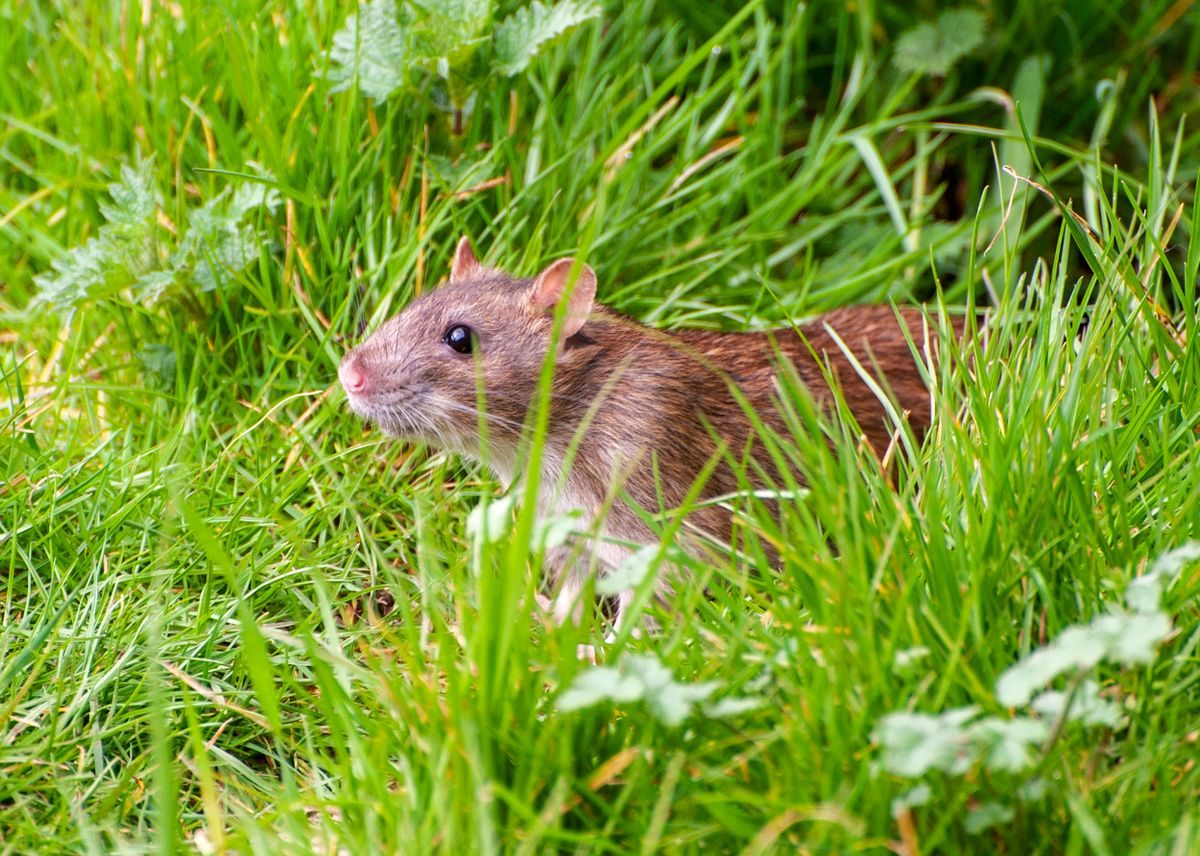
A dead mouse or rat gives off a strong, sweet, rotten smell that is hard to mistake. It usually starts mild, gets stronger over several days and is worst on warm, humid days, which in Richmond means much of the year. The smell fades as the carcass dries out, but that can take weeks, and flies may show up in the meantime.
The fastest fix is to find and remove the carcass. This article covers where to look, how to remove it safely and what to do about lingering odor.
Common causes
- Poison bait. Rodents that eat bait do not die on the spot. They often go back to a nest in a wall, ceiling or crawl space and die there. If you or a previous provider used bait, that is the most likely cause.
- A trap that was forgotten, especially in a crawl space, attic or behind an appliance.
- A rodent that got trapped in a wall after gaps were sealed.
- Natural death of an old or sick rodent in a nest.
- A rodent that fell into a duct, chimney or wall cavity and could not get out.
Where to look
Follow your nose and work from easy spots to hard ones.
- Behind and under the refrigerator, stove, dishwasher and washing machine.
- Inside lower cabinets and under sinks.
- In closets, especially along the floor at outside walls.
- At floor registers and return air grilles. If the smell is strongest when the heat or AC runs, check the ducts and the air handler area.
- In the crawl space or basement, below the room where the smell is strongest.
- In the attic, above the room where the smell is strongest.
Flies gathering at one spot on a wall or window, a stain spreading on a ceiling or wall, or a pet focused on one spot are strong clues. In row houses in the Fan or Church Hill, the source may be in a shared wall you cannot reach from your side.
Want a provider to look at it?
Describe what you are seeing and where. The call is free and goes to an independent rodent control provider who serves Richmond and the nearby counties.
How to remove a dead rodent safely
The CDC's steps for cleaning up a dead rodent:
- Wear rubber or plastic gloves. The CDC also suggests insect repellent on clothing, shoes and hands, since fleas are common on rodents.
- Spray the dead rodent, any nest and the surrounding area with a disinfectant or bleach solution and let it soak for 5 minutes.
- Place the rodent and nesting material in a plastic bag, along with any used trap you do not plan to reuse.
- Tie the bag shut, place it in a second bag and tie that one too.
- Throw it in a covered garbage can that is emptied regularly.
- Wash gloved hands with soap and water or disinfectant before taking off the gloves, then wash your hands with soap and warm water.
Then clean the spot with disinfectant. Do not sweep or vacuum droppings or nest material you find nearby; wet them down first.
When the carcass is inside a wall
If you cannot reach it, you have three choices: wait for the smell to fade, cut a small opening to reach it, or call a provider. Cutting is usually a small, patchable hole low on the wall where the smell is strongest. A technician can narrow the spot first so you only open the wall once. Ask who will patch it.
Waiting is an option in a room you rarely use. In a kitchen, bedroom or a hot Richmond summer, removal is usually worth it.
Getting rid of the lingering smell
Once the carcass is out, clean and disinfect the area, remove any soaked insulation or nesting material, and air the space out. Fans and open windows help in living areas. In a crawl space or attic, removing soiled insulation and drying the space matters most, since damp conditions keep odors active. Odor-neutralizing products made for this purpose can help on surfaces that absorbed fluids.
Masking the smell with air fresheners does not fix it, and the source can attract flies.
Stop the next one
One dead rodent usually means there are or were others. Check for fresh droppings and gnawing near the spot, and look for how the rodent got in. If you used poison indoors, consider switching to traps, which let you remove rodents instead of finding them by smell. See dead rodent removal for professional help, and rodent trapping and exclusion to prevent a repeat.
Call a local rodent provider
The call is free. Describe the problem, ask what the visit includes, and get a written price before any work starts.
Questions people ask
How long does a dead mouse smell last?
Often a week or more, and longer for a rat or in hot weather, until the carcass dries out. Removing it ends the smell much sooner.
Is the smell of a dead rodent dangerous?
The smell itself is mostly unpleasant, but the carcass, droppings and fleas can carry germs. Use the CDC cleanup steps when you remove it.
Why is the smell worse when the heat runs?
Warm air speeds decomposition, and if the carcass is near ducts or the air handler, the system can spread the odor.
Can I just spray air freshener?
It only covers the odor. The source keeps decomposing and can attract flies. Removal is the real fix.