Home / Articles / Rodent diseases
HealthRodent Diseases: Leptospirosis, Hantavirus and Rat-Bite Fever
Rats and mice can spread leptospirosis, hantavirus, rat-bite fever, salmonellosis and other diseases, mostly through urine, droppings, saliva and bites. Safe cleanup and keeping rodents out of the house are the main protection.
Updated November 4, 2026
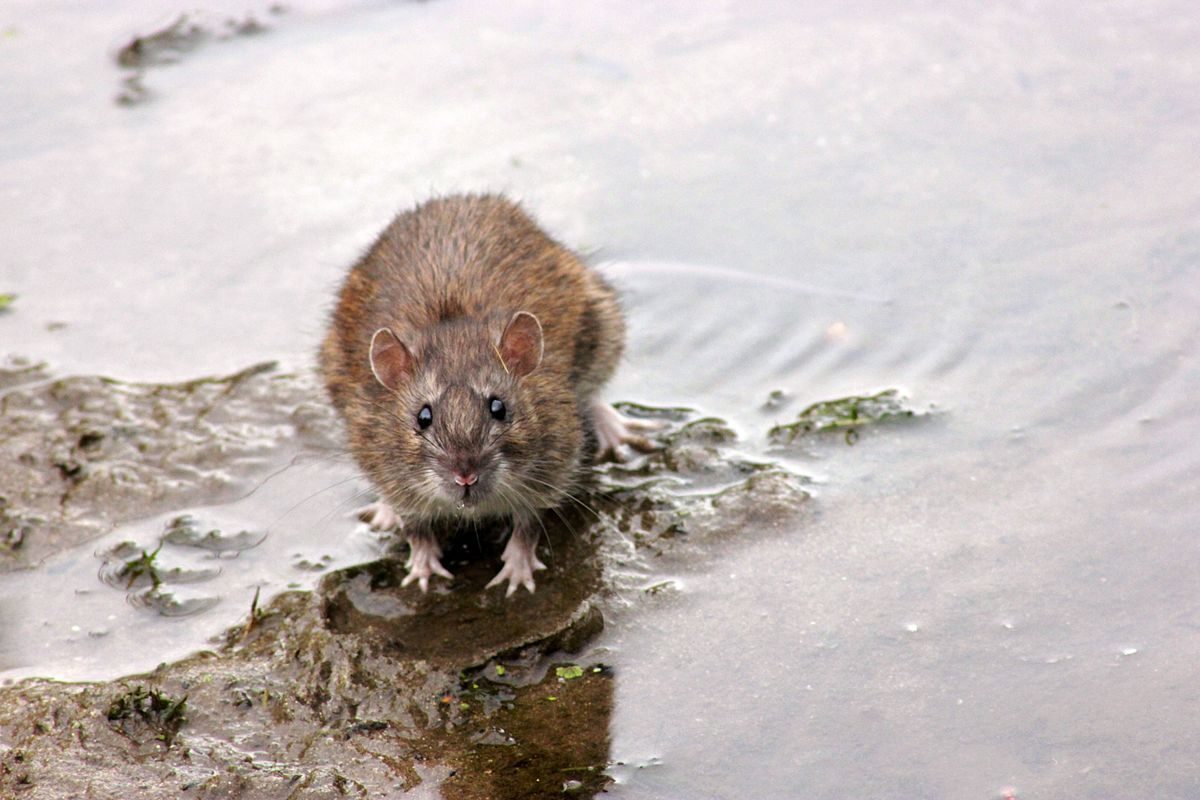
Rats and mice can carry diseases that spread to people, and you cannot tell by looking whether a rodent is infected. The CDC lists bacterial diseases including leptospirosis, rat-bite fever and salmonellosis, and viral diseases including hantavirus and lymphocytic choriomeningitis, among those spread directly by rodents. People mostly get sick by breathing in dust from droppings, urine or nests, touching contaminated surfaces and then their eyes, nose or mouth, being bitten or scratched, or eating contaminated food.
This article covers the three diseases people ask about most, how each spreads and what to do to protect your household. It is general information. If you think you are sick after rodent contact, talk to a doctor and mention the exposure.
How rodent diseases spread
The CDC says the main reason disease spreads from rodents to people is rodent infestation in and around the home. Exposure happens through:
- Breathing in contaminated air when droppings, urine or nesting material are stirred up.
- Touching contaminated materials, then touching your eyes, nose or mouth.
- Bites and scratches.
- Eating food or drinking water contaminated by rodents.
Rodents can also carry ticks, mites and fleas that spread other diseases. Many rodent-borne germs do not make the rodent look sick.
Leptospirosis
Leptospirosis is a bacterial disease. The CDC says the bacteria spread through the urine of infected animals, including rats and mice, dogs, livestock and wildlife. People can be infected through contact with contaminated water or soil, especially after floods or heavy rain, or by eating food or drinking water contaminated with infected urine.
Symptoms can include fever, muscle aches, headache, nausea or vomiting, jaundice, diarrhea, chills, stomach pain, red eyes and rash, and some people have no symptoms. For Richmond residents, the flood connection matters. Low areas near the James and its creeks see standing water after big storms, and that water can carry rodent urine. Avoid wading in floodwater, cover cuts and wash well after cleanup.
Want a provider to look at it?
Describe what you are seeing and where. The call is free and goes to an independent rodent control provider who serves Richmond and the nearby counties.
Hantavirus
Hantaviruses can cause serious illness. In the US, the CDC names the deer mouse as the most common carrier of the hantavirus that causes hantavirus pulmonary syndrome (HPS). People are mainly infected when fresh urine, droppings or nesting material from an infected rodent are stirred up and the virus gets into the air, or when it gets into cuts or the eyes, nose or mouth.
The CDC says HPS symptoms usually appear 1 to 8 weeks after contact. Early symptoms include fatigue, fever and muscle aches, and about half of patients also have headaches, dizziness, chills or stomach problems. Four to 10 days later, coughing and shortness of breath may develop. Anyone with those symptoms after cleaning a rodent-infested shed, cabin or crawl space should see a doctor and mention the exposure.
In the Richmond area, house mice and Norway rats are the usual household rodents, but native deer mice and white-footed mice live in wooded and rural edges and can wander into garages, sheds and outbuildings. The CDC's rule for everyone is the same: do not sweep or vacuum rodent droppings.
Rat-bite fever
Rat-bite fever is a bacterial infection. According to the CDC, it spreads through bites or scratches from infected rodents, through contact with their saliva or urine, through contaminated bedding or cages, or through contaminated food or drink. It does not spread between people.
In North America, symptoms usually include fever, vomiting, headache and muscle pain, and joint swelling or pain and a rash may follow, typically 3 to 10 days after exposure. The CDC says antibiotics can cure the disease if started soon after symptoms begin. If you are bitten or scratched by a rat, wash the wound and contact a doctor.
Cleaning up safely
The CDC's cleanup steps are the most practical protection:
- Do not sweep or vacuum droppings, urine or nests.
- Wear rubber or plastic gloves.
- Spray droppings and urine with a disinfectant or a fresh bleach solution (1 1/2 cups of bleach in a gallon of water) until very wet, and let it soak for 5 minutes.
- Wipe up with paper towels and throw them in a covered trash can.
- Disinfect the surface again.
- Wash gloved hands before taking the gloves off, then wash your hands.
The CDC recommends extra precautions for heavy infestations. The Richmond City Health District's rodent guidance gives the same advice: treat droppings with a bleach and water solution and always wear gloves when cleaning contaminated areas or handling dead rodents. For an attic, crawl space or shed with heavy contamination, consider professional cleanup.
Prevention
The CDC calls rodent control the main strategy for preventing HPS, and its approach applies to all rodent diseases: seal up, trap up and clean up. Remove food, water and shelter around the house, seal gaps of 1/4 inch and larger, and trap any rodents inside. See how to get rid of mice in Richmond and how to get rid of rats in Richmond.
Call a local rodent provider
The call is free. Describe the problem, ask what the visit includes, and get a written price before any work starts.
Questions people ask
Can you get sick from mouse droppings?
Yes. The CDC says people mainly get sick from rodents by breathing in contaminated air when droppings, urine or nests are disturbed. Clean them up wet, never by sweeping or vacuuming.
Do house mice carry hantavirus?
The CDC names the deer mouse as the most common carrier of the hantavirus that causes HPS in the US. Use the same safe cleanup steps for any rodent droppings.
How do people get leptospirosis?
Through contact with the urine of infected animals, often via contaminated water or soil after floods or heavy rain, according to the CDC.
What should I do if a rat bites me?
Wash the wound with soap and water and see a doctor. Rat-bite fever is treated with antibiotics.