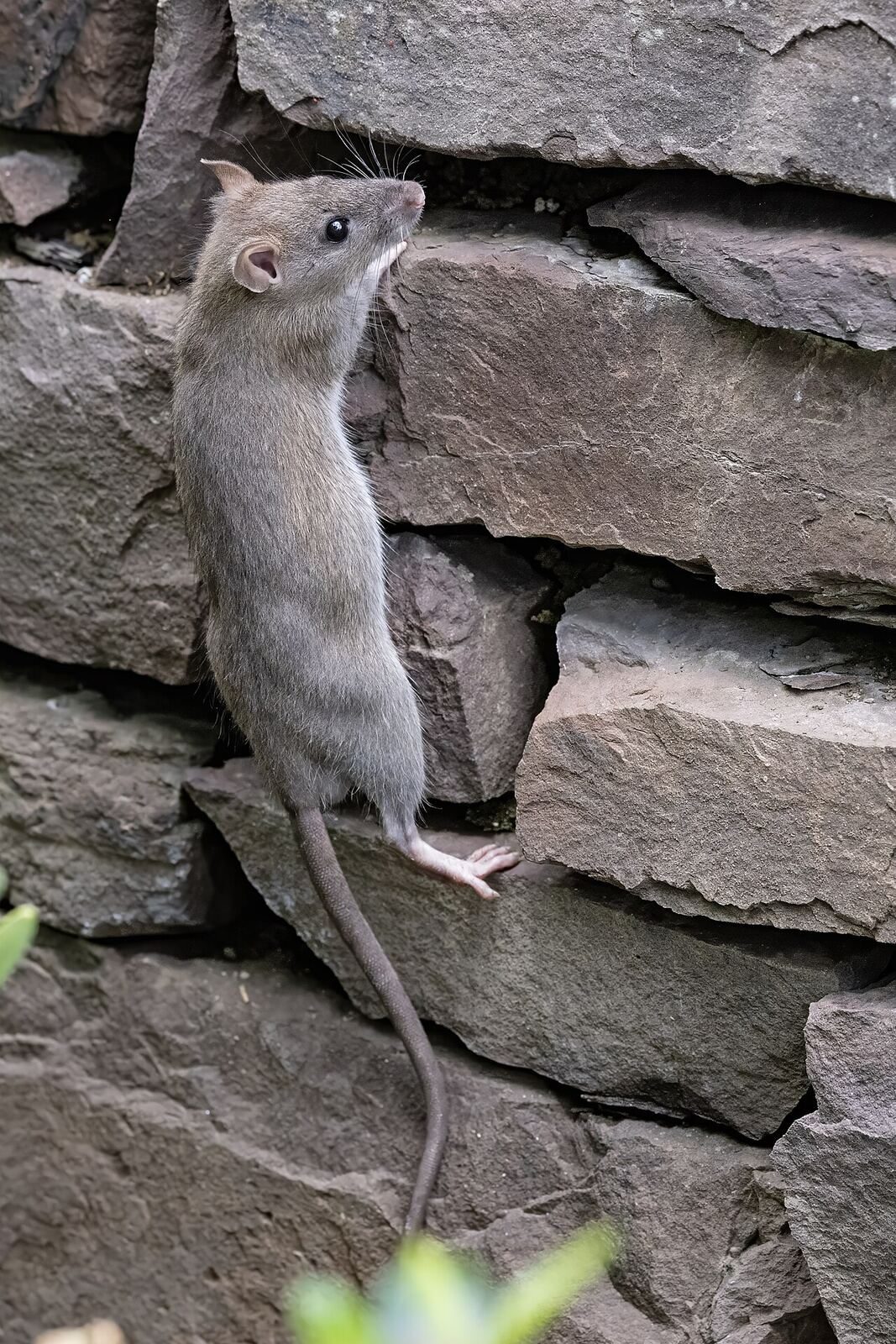
Rats come back after treatment for a short list of reasons: the entry points were not sealed, food is still available on your property or next door, burrows were left open, or the treatment stopped before the colony was gone. In Richmond's connected row-house blocks and alley systems, the source is often outside your property line.
University of Nebraska extension puts it plainly: it is extremely rare for a rat infestation to be managed by a single technique. Here is what usually goes wrong and how to fix it.
The openings were never sealed
Trapping or baiting removes the rats that are there. If the gaps they used stay open, new rats use them. UNL extension says rats can enter through any opening larger than 1/2 inch, and that utility openings should be sealed tightly with metal or concrete because wood, plaster and caulk will not stop gnawing.
Ask the provider what was sealed. If the answer is nothing, or foam, that is likely the problem. See exclusion and sealing.
The food is still there
The Richmond City Health District lists rat-killing, rat-proofing and good sustained sanitation as the methods that work, and notes that baiting is effective after the food source is removed. UNL extension adds that sanitation alone usually cannot control rats completely, but it makes other methods work.
Common Richmond food sources: supercans with broken lids or left out between pickups, bird feeders, open compost, fallen fruit, pet food and chicken feed, and restaurant dumpsters on shared alleys. If any of these remain, rats keep returning.
Want a provider to look at it?
Describe what you are seeing and where. The call is free and goes to an independent rodent control provider who serves Richmond and the nearby counties.
The rats live next door
In the Fan, the Museum District, Church Hill, Jackson Ward and Northside, back yards connect through alleys and fences. A colony may span several lots, and clearing your yard opens territory for rats from next door. Vacant houses and neglected lots are common sources.
Talk to neighbors about cans, compost and feeders. Report trash, overgrowth and unsecured vacant buildings through RVA311. Our reporting guide explains how.
The burrows were left open
Norway rats reuse burrows. If a treatment reduced the colony but the burrows were never collapsed and packed, new rats move into ready-made homes. Richmond's clay soils hold burrow shape well. See rat burrow treatment.
The treatment ended too soon
Rats are wary. UNL extension notes they may wait up to two weeks before approaching traps or bait. A single visit with a few traps may catch a couple of rats while the rest avoid the new objects. The CDC's guide for trapping is to keep going until nothing is caught for a week and there are no new signs.
Also ask whether the plan included return visits. HomeAdvisor says most homes need two to four follow-up visits, depending on severity.
Construction and floods pushed new rats in
Demolition, lot clearing and new construction displace rats into nearby buildings. Neighborhoods with a lot of building activity, like Scott's Addition, Manchester and Church Hill, see this often. Heavy rain floods burrows and pushes rats toward foundations and basements. These are not treatment failures, but they mean sealing has to be done well enough to handle new pressure.
Sewer lines and drains in older houses
Some repeat rat problems in older Richmond homes start below ground. Norway rats can travel through sewer lines, and a cracked lateral, an open cleanout or a basement floor drain without a cover can let them into a crawl space or basement no matter how well the walls are sealed. UNL extension recommends securing floor drains and sewer pipes with tight-fitting grates that have openings smaller than 1/4 inch.
If rats keep appearing in a basement with no visible gaps, ask the provider to check drains and cleanouts, and consider a plumber's camera inspection of the sewer lateral. This is more common in the older parts of the city than in newer suburban homes.
The wrong animal was treated
Sometimes the treatment was aimed at rats when the noise came from mice, squirrels or something else, or the reverse. Mouse traps do not hold rats, and rat-sized gaps are not the only gaps mice use. A provider who confirms the species from droppings, gnaw marks and entry holes before setting a plan avoids this. If you were never told what animal you had, ask.
How to keep them gone
- Get a written plan that covers removal, sealing, burrows and sanitation, with photos of sealed openings.
- Keep food sources gone, on your property and, as far as you can, on the block.
- Check the foundation and crawl space vents a few times a year, especially after storms and before fall.
- Watch for new burrows and deal with them right away.
- If rats return, call the same provider first and ask what changed. Then consider a fresh inspection.
Call a local rodent provider
The call is free. Describe the problem, ask what the visit includes, and get a written price before any work starts.
Questions people ask
How long should rat treatment take?
Often a few weeks for an established colony, including follow-up visits. Rats can avoid new traps for up to two weeks, according to UNL extension.
Should the exterminator have sealed my house?
Sealing is what keeps new rats out. Ask whether it was included and what openings were covered.
Why are rats in my yard when I keep it clean?
They may be living next door or in the alley and passing through. Neighborhood food sources and burrows on other lots matter.
Is bait better than traps for stopping repeat problems?
Neither works alone. Without sealing and sanitation, new rats replace the ones removed.