Home / Articles / Cars and garages
GaragesRats and Mice in Car Engines and Garages
Rats and mice nest in engine bays and chew wiring, especially in cars that sit for days in a garage or driveway. The fix is in the garage: remove food, trap, seal the door gaps and keep the car moving.
Updated November 4, 2026
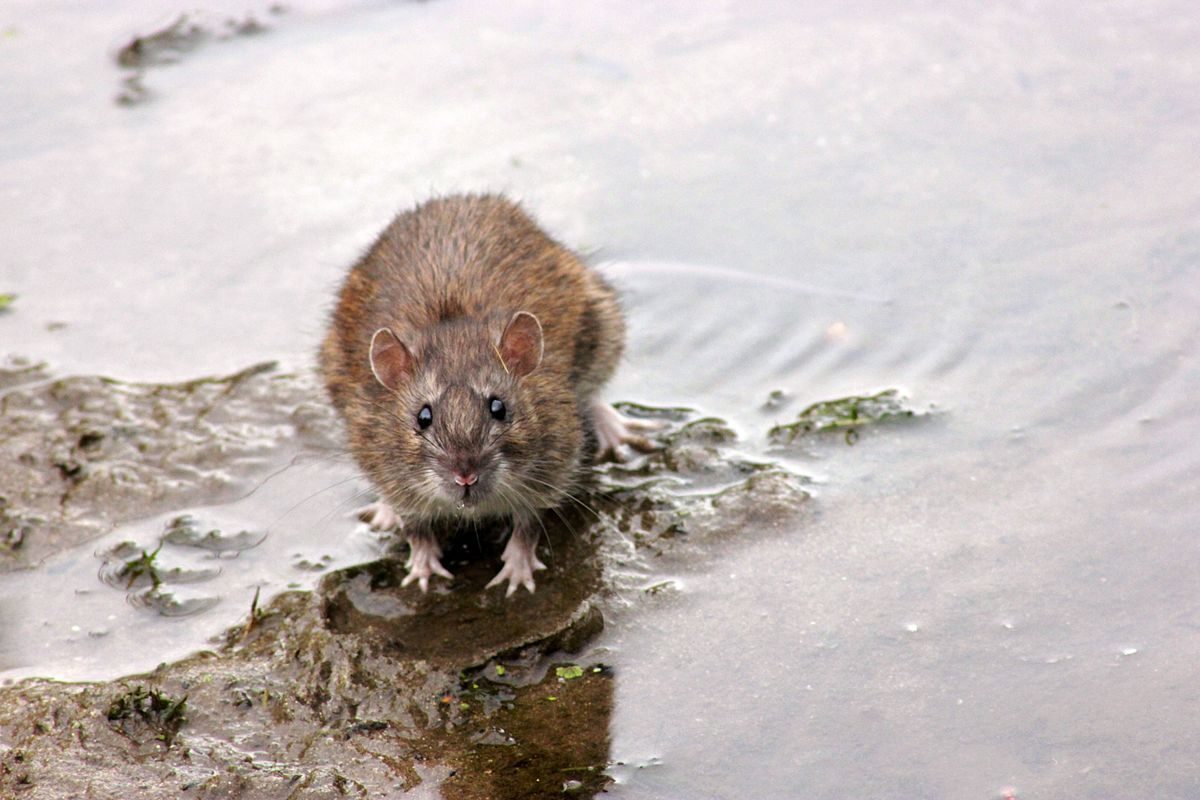
If your check engine light comes on and the mechanic finds chewed wires, or you open the hood and see a nest of leaves and insulation on top of the engine, rodents have found your car. Mice and rats use engine bays for warmth and shelter, and they chew wiring insulation the way they chew anything soft. Cars that sit for days, in a garage or on a driveway near shrubs, are most at risk.
Here is how to spot it, why it happens around Richmond homes and what actually reduces the risk.
Signs rodents are in your car
- Nesting material on the engine, in the air filter box or under the cabin air filter: leaves, grass, insulation, paper.
- Droppings on the engine, battery tray or in the trunk.
- Chewed wiring insulation, hoses or the sound-deadening pad under the hood.
- A musty or urine smell when the heat or AC first comes on.
- Warning lights or electrical problems that appear after the car sat for a while.
- Food stashes such as acorns, seeds or pet food in the engine bay.
If you find any of these, tell your mechanic about rodent activity so they check the wiring harness and the cabin air intake.
Why garages and driveways attract rodents
Garages are often the least sealed part of a house and the place where people store bird seed, grass seed, pet food and trash. That combination draws mice in, and the car parked next to the food becomes the nearest warm, sheltered spot.
In Richmond, attached garages in subdivisions in Short Pump, Glen Allen, Midlothian and Mechanicsville often back onto woods where native mice live. In the city, cars parked on pads off the alley in the Fan or Church Hill sit beside supercans and fences where Norway rats travel. Both settings put rodents within a few feet of the car every night.
Want a provider to look at it?
Describe what you are seeing and where. The call is free and goes to an independent rodent control provider who serves Richmond and the nearby counties.
What helps
- Remove food from the garage. Store seed, feed and pet food in metal or thick plastic containers with tight lids, as the CDC recommends, and keep trash cans closed.
- Clear clutter. Boxes and stored items along the walls give rodents cover and make trapping harder.
- Seal the garage. Check the bottom seal and corners of the garage door, the side door sweep and gaps where pipes and wires enter. See basement and garage rodent control.
- Trap in the garage. Snap traps in covered boxes along the walls, checked often, reduce the population near the car.
- Use the car regularly. Cars that move every day are less attractive nesting sites than cars that sit.
- Keep the hood area clear. Remove any nest material you find, wearing gloves and following the CDC wet cleanup steps.
- Consider a weighted car cover outdoors. UC IPM suggests a weighted car cover that touches the ground all around the vehicle to keep rodents out of the engine, while noting that rodent control around the property is still needed.
What does not help much
Ultrasonic devices and scent repellents are widely sold for engines. UC IPM's house mouse pest note says ultrasonic sounds have very limited use in rodent control because they are directional, do not penetrate behind objects and lose intensity quickly, and that there is little evidence that sound, magnetic or vibration devices push established mice or rats out of buildings. Its rat pest note says rats quickly get used to repeated sounds and that no repellents have been found to solve a rat problem for more than a very short time. Our repellents article goes through the options.
Putting poison bait in a garage is also risky if you have pets, and a rodent that eats bait can die inside the car or a wall.
Cleaning up after rodents in a car
Wear gloves. Do not use a shop vacuum or air hose on dry droppings or nests, since the CDC warns that this can put particles into the air. Spray droppings and nesting material with a disinfectant, let it soak for 5 minutes, then remove it with paper towels or gloved hands and bag it. If rodents nested in the cabin air intake or HVAC box, have a mechanic replace the cabin air filter and clean the housing.
Call a local rodent provider
The call is free. Describe the problem, ask what the visit includes, and get a written price before any work starts.
Questions people ask
Why do rodents chew car wires?
Rodent teeth grow continuously and they chew soft materials to wear them down and build nests. Wiring insulation is soft and sits in a warm, sheltered spot.
Does car insurance cover rodent damage?
It depends on your policy. Some comprehensive coverage includes animal damage. Check with your insurer.
Will an ultrasonic device keep rats out of my engine?
UC IPM says there is little evidence sound devices force out established rodents, and rats quickly get used to repeated sounds.
How do I keep mice out of my garage?
Remove food, clear clutter, seal the garage door corners and bottom seal, and trap along the walls.
Do I need to worry about droppings in the car's air vents?
Yes. If rodents nested in the cabin air intake, have the cabin air filter replaced and the housing cleaned before running the fan for long, and follow the CDC's wet cleanup steps for any droppings you can reach.